
-
Mpisi Pig Breeding Station Mafutseni, Manzini
-

-
Call Us: +268 25011008 Mail Us: info@piepeswatini.com
-

Mpisi Pig Breeding Station Mafutseni, Manzini
Call Us: +268 25011008 Mail Us: info@piepeswatini.com
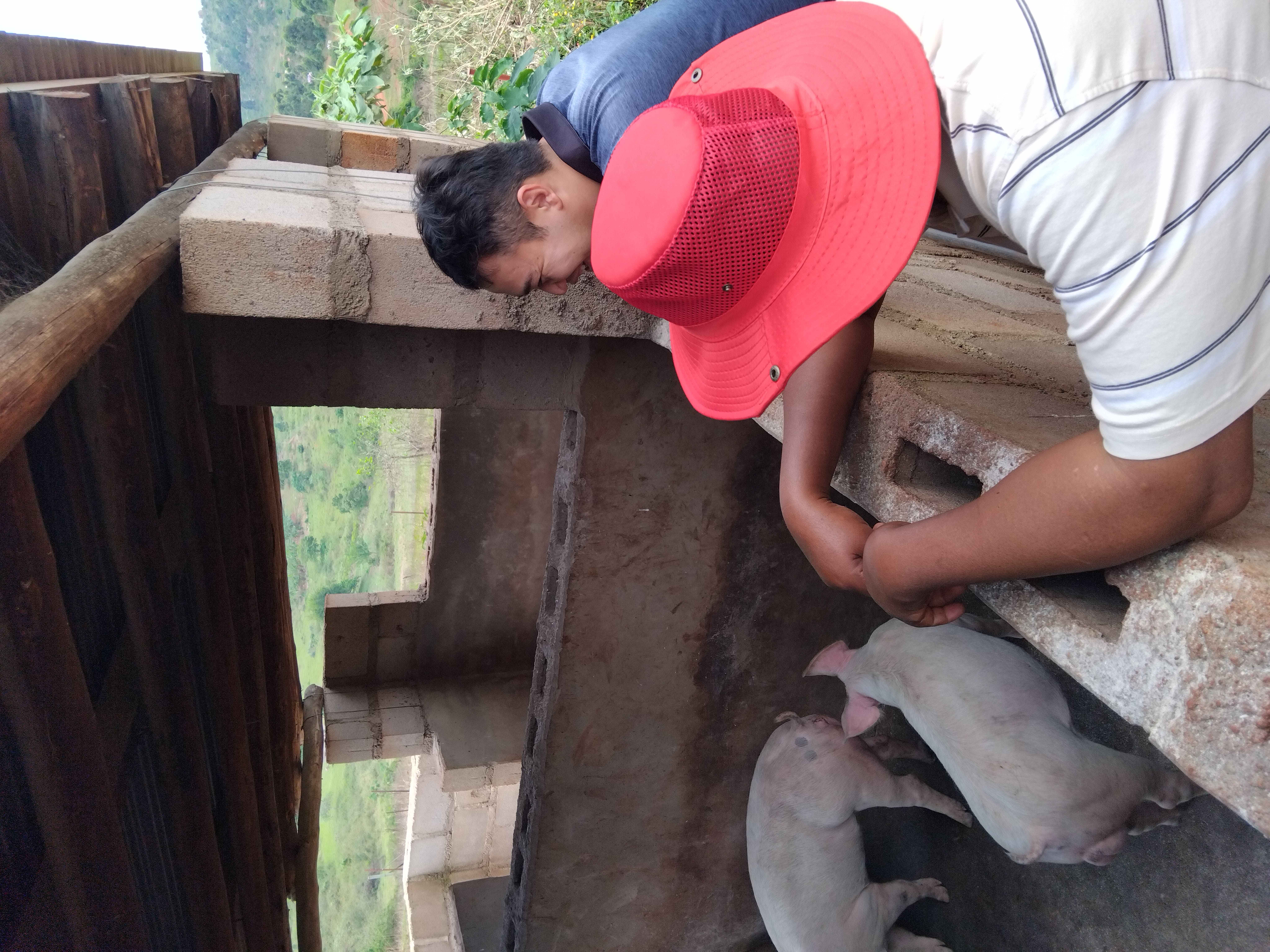
Despite operating in an area affected by Foot-and-Mouth Disease (FMD), farmer Hebron Nxumalo from the Shiselweni Region continues to set an inspiring example of resilience and innovation in pig production. Nxumalo, a dedicated farmer under the Pig Industry Enhancement Project (PIEP II), has managed to maintain healthy pigs and steady production levels through disciplined management practices and strict biosecurity measures. “Being in the red zone has not stopped me,” Nxumalo said confidently. “I’ve learnt the importance of farm hygiene, vaccination, and controlled movement of animals to keep my pigs safe and my business running.” His progress has been supported by Extension Officer Sibusiso Sikhondze, who works closely with local farmers to strengthen animal health management, and Project Manager Henry Jian, who oversees implementation of sustainable livestock production initiatives under PIEP II. Sikhondze noted that Nxumalo’s farm demonstrates how proper training and consistent follow-up can help farmers minimize disease risks even in high-alert zones. “Nxumalo is one of our most disciplined farmers,” he said. “He follows all biosecurity protocols, from footbaths at the entrance to restricted visitor access. That’s why his pigs are thriving.” Beyond disease control, Nxumalo has also embraced sustainable farming practices, making use of pig manure as organic fertilizer for his small orchard and adopting simple waste management techniques to reduce environmental impact. Project Manager Henry commended Nxumalo’s commitment to responsible and sustainable pig farming. “Farmers like him are a perfect example of how resilience, knowledge, and sustainability can coexist even under challenging conditions,” he said.
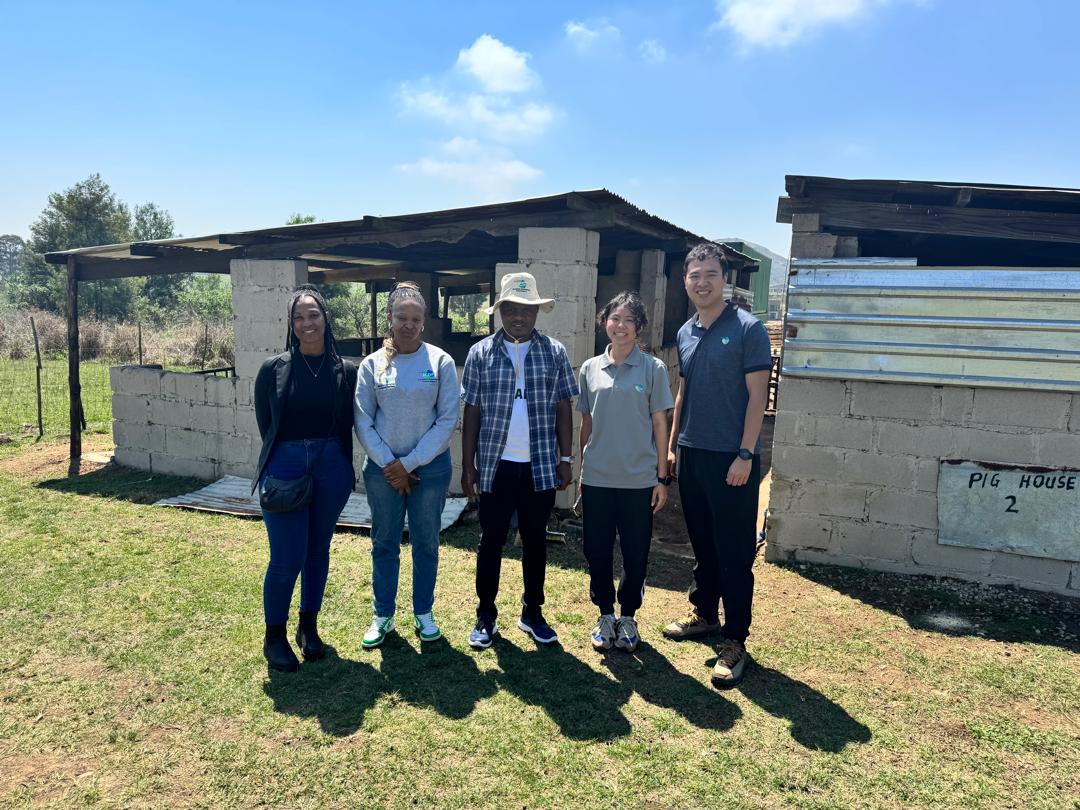
Local pig farmer Erick Ncamiso Dlamini has expressed heartfelt appreciation for the Pig Industry Enhancement Project Phase II (PIEP II), highlighting the tremendous impact it has had on pig production and farmers’ livelihoods in Eswatini. Before the introduction of PIEP II, Dlamini recalls that farmers had limited access to technical information on pig production. “We were doing things the way we thought was right,” he said, “but we didn’t have proper knowledge on issues like feeding, housing, and breeding. When the project came, everything changed, we were exposed to advanced and practical training that improved how we manage our pigs.” Through the project’s support, farmers like Dlamini have been able to adopt improved management practices that have significantly boosted production and profits. He noted that his pigs are now healthier, grow faster, and fetch better prices at the market. Beyond knowledge and skills, the project has fostered collaboration among farmers. “We now work together more closely,” Dlamini explained. “For example, we buy feed in bulk, which reduces costs, and we share information about reliable markets. It has really united us as farmers.” The visit to Dlamini’s farm was made by Henry Jian, PIEP Project Manager; Simphiwe Mthethwa, Hhohho East Extension Officer; Wendy, Assistant Specialist; and Judy Vilakati, Project Secretary. The team commended the farmer’s progress and commitment to applying the knowledge gained from the project. PIEP II, a collaboration between the Government of Eswatini and the Taiwan Technical Mission, continues to empower pig farmers across the country through training, improved breeding programs, and support for sustainable production systems. Project Manager Henry Jian expressed satisfaction with the visible results among farmers in the region. “Seeing farmers like Mr. Dlamini apply what they have learned and achieve success is proof that the project is making a real difference in improving food security and livelihoods,” he said. With the continued guidance of PIEP II, Dlamini and many other farmers in Hhohho look forward to even greater success in the pig industry, turning small family farms into profitable agribusinesses.
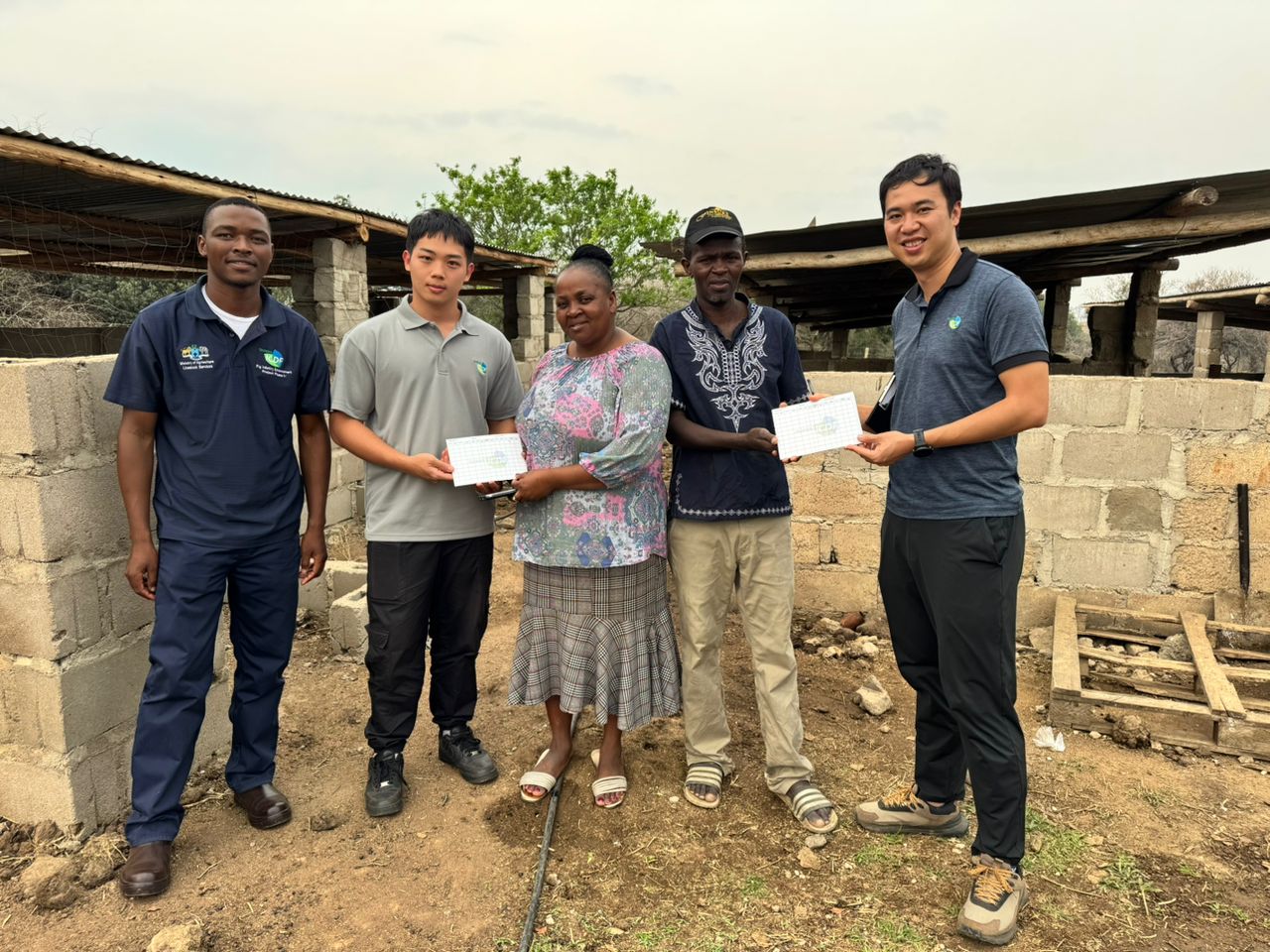
What began as a modest start with just two sows in 2018 has today grown into a thriving pig production enterprise for Sibonangaye Nxumalo and his wife at Ngojeni, under the Hhohho North region. The couple’s journey into pig farming started when they bought their first sows from local farmers. However, they soon realized that the animals were not performing as expected. “The pigs would produce about eight to nine piglets, and there were many crushing accidents,” Nxumalo explained. Determined to improve, the family later invested in gilts from Mpisi Pig Breeding Station. The station is part of the Pig Industry Enhancement Project (PIEP), a collaboration between the Ministry of Agriculture and the Taiwan International Cooperation and Development Fund (Taiwan ICDF). The results were remarkable. The gilts from Mpisi proved to be more productive and efficient. “On average, they give us about 15 piglets, and we have had no crushing incidents,” Nxumalo said with a smile. He added that the pigs’ strong body size translates to higher returns. After slaughter, the carcass weight averages 65 kilograms in pigs that are only four to five months old. For the past three years, the family has also been using Artificial Insemination (AI) services from Mpisi, a move they say has transformed their operation. “It is very cost-effective, and we are happy with the results,” Nxumalo emphasized. Behind the scenes, the couple works as a team. While Nxumalo enjoys feeding the pigs and carrying out AI, his wife takes pride in keeping the pig houses clean and well maintained. Together, they have created a model pig farming business admired by many. Their extension officer, Bhekithemba Shiba, praised their dedication and highlighted their farm as an example of how adopting improved breeds and modern technologies can change the fortunes of smallholder farmers. Project Manager of PIEP, Henry Jian, also commended the family’s progress. “The Nxumalo family is a shining example of how determination and the right support can lead to great success. We are proud to see Mpisi genetics making a positive difference in farmers’ lives,” he said. The Nxumalo family’s story is proof that with the right support, training, and improved genetics, pig farming can provide sustainable livelihoods and contribute meaningfully to Eswatini’s agricultural sector.
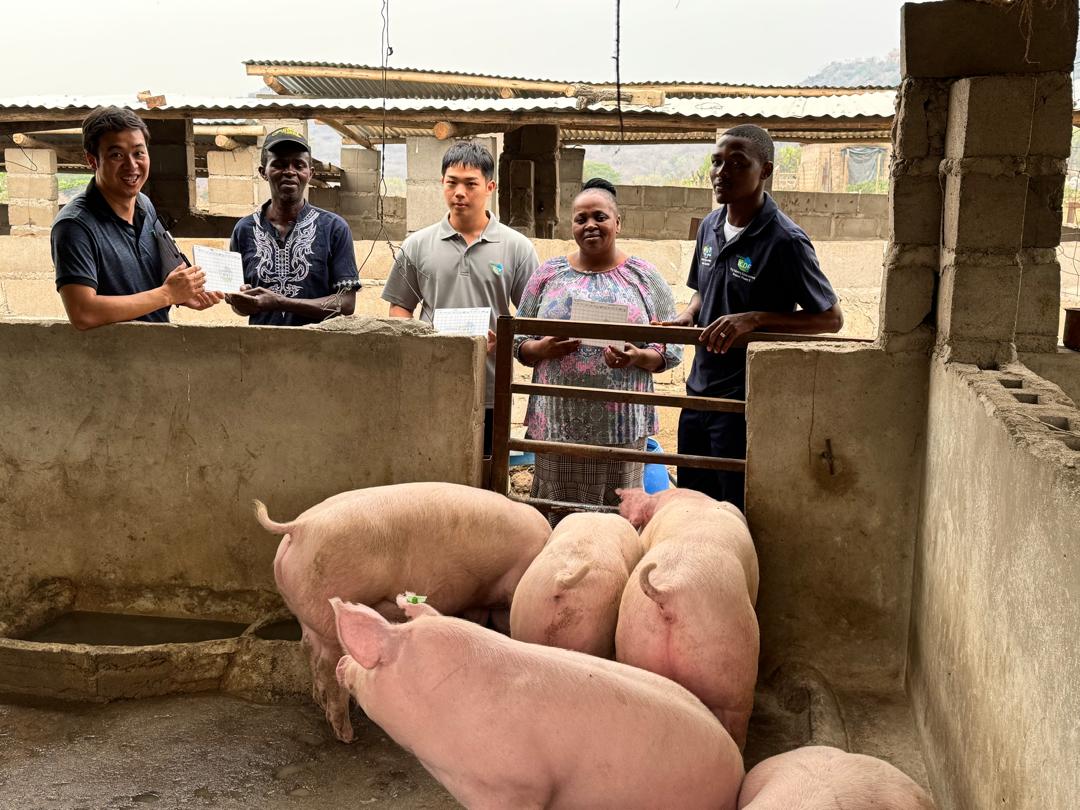
What began as a modest start with just two sows in 2018 has grown into a thriving pig production enterprise for Sibonangaye Nxumalo and his wife at Ngojeni, under the Hhohho North region. The Mpisi pig breeding station transformed pig farming for Nxumalo family. The couple’s journey into pig farming started when they bought their first sows from local farmers. Performing However, Nxumalo said they realized that the animals were not performing as expected. Determined to improve, he said they later invested in gilts from Mpisi Pig Breeding Station. The station is part of the Pig Industry Enhancement Project (PIEP), which is in collaboration between the Ministry of Agriculture and the Taiwan International Cooperation and Development Fund (Taiwan ICDF). “The pigs would produce about eight to nine piglets, and there were many crushing accidents. The results were remarkable after getting gilts from Mpisi farm as they proved to be more productive and efficient. On average, they now give us about 15 piglets, and we have had no crushing incidents. The pigs’ strong body size translates to higher returns. After slaughter, the carcass weight averages 65 kilograms in pigs that are only four to five months old,” he said. For the past three years, the family has also been using Artificial Insemination (AI) services from Mpisi, a move they said had transformed their operation. Nxumalo said they worked as a team with his wife, Nomsa. He said while he enjoyed feeding the pigs and carrying out AI, his wife took pride in keeping the pig houses clean and well maintained. “Artificial Insemination is very cost-effective, and we are happy with the results. Together, we have created a model pig farming business admired by many,” he emphasised. Praised Meanwhile Hhohho North extension officer, Bhekithemba Shiba, praised their dedication and highlighted their farm as an example of how adopting improved breeds and modern technologies could change the fortunes of smallholder farmers. PIEP Project Manager of PIEP, Mr. Henry Jian, also commended the family’s progress. “The Nxumalos are a shining example of how determination and the right support can lead to great success. We are proud to see Mpisi genetics making a positive difference in farmers’ lives. “The Nxumalo family’s story is proof that with the right support, training, and improved genetics, pig farming can provide sustainable livelihoods and contribute meaningfully to Eswatini’s agricultural sector,” he added.